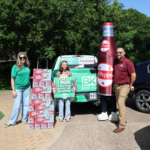
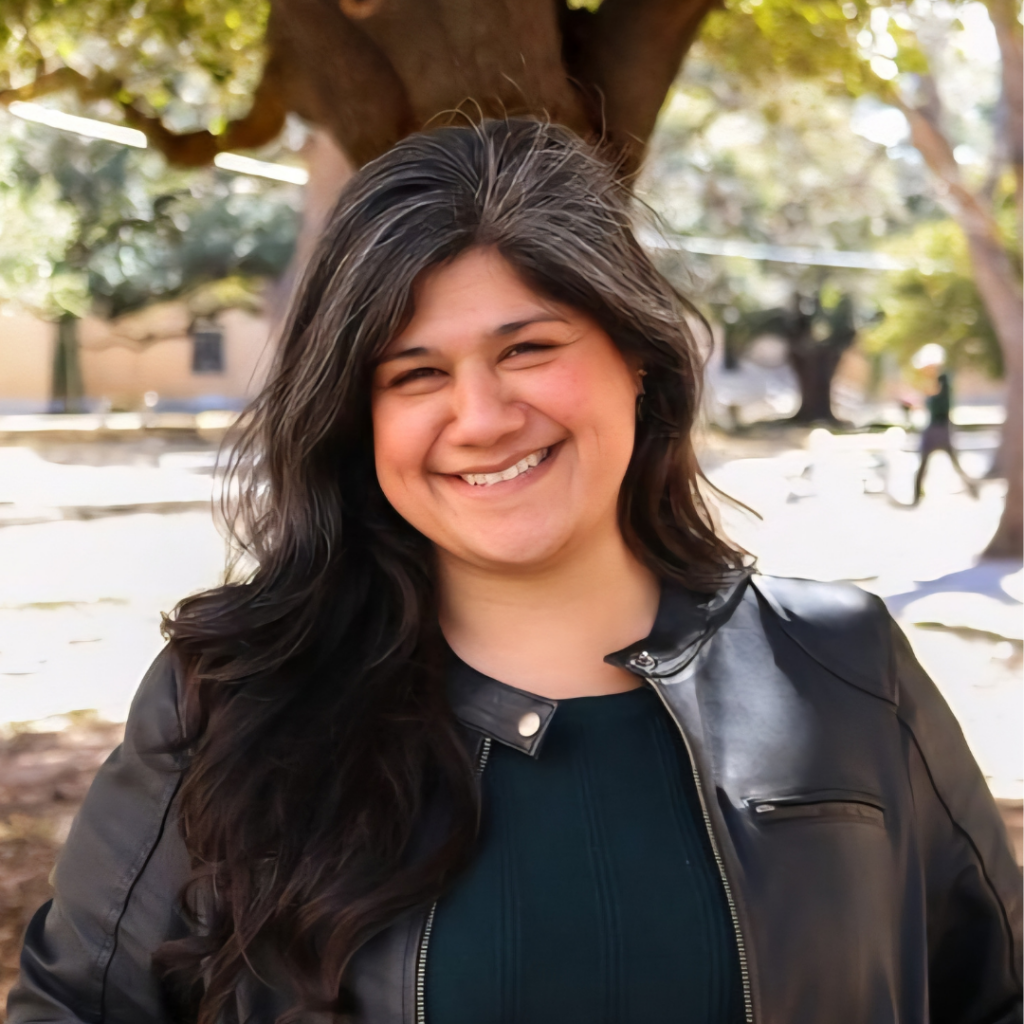
For this month’s Supporter Spotlight, the Dr Pepper Museum is excited to feature Sylvia Hernandez and her family’s story. A fifth-generation Wacoan, Sylvia serves as the Outreach & Instruction Librarian for The Texas Collection at Baylor University. Through her work in archives, she understands firsthand the importance of preserving history and making stories accessible for future generations.
That connection is especially meaningful as one of the objects featured in our Wilton’s Landing exhibit is the sign from Cruz’s Drive Inn, Sylvia’s family’s local corner store. Sylvia grew up visiting her grandparents at the store and later worked there part-time during and after college. Sylvia shares more about her family’s history, the role Cruz’s Drive Inn played in the Waco community, and what preserving these stories means to her.
Q1: Can you tell us a little about your family’s history in Waco and how Cruz’s Drive Inn came to be?
Sylvia: “My great-great-grandfather Eustolio Cruz was the first to arrive in Waco. He left Mexico in 1898 and settled just outside of town, in Axtell. Eustolio started his family here and stayed. His son, Cayetano Cruz, is my great grandfather. Cayetano also started his family in Waco; during the depression economic concerns and finding work drove him to move to Nuevo Laredo, just across the border in Mexico. Eventually the family returned to Waco, in the 1950s. Cayetano owned several little stores in Waco before closing or selling them to tend to his ailing wife, my great-grandmother Leonarda. After her death, Cayetano fell into a deep depression for which his doctor recommended he participate in some activity. In 1965, Cayetano’s son and daughter-in-law, my grandparents, Juan and Lilia Cruz purchased the store at 826 South Eleventh street which would become known as Cruz’s Drive Inn. The store was run by Cayetano and Lilia until it proved profitable, at which time Juan left his job hauling concrete to join the family business. By 1980 the store was expanded and became a stable presence in the neighborhood and within the Waco Hispanic community.”
Q2: What made Cruz’s Drive Inn more than just a place to shop, and what role did it play in the lives of people in the community?
Sylvia: “I think the longevity of the store is what made it more than just a store. In building relationships with the customers, Cruz’s became a hub for the community. Just as the family serving was multi-generational, so too was the clientele. People would come in with their grandkids telling them stories of what it was like at the store and in the neighborhood when they were children. Recounting how Ms. Cruz would send the runaway diaper babies back home with a sucker having first admonished them for running away.
I think it was also about respect. The store was a respected and trusted entity, and neighborhood news often traveled through the customers themselves while shopping, or even through the family. It became a hub of information sharing and remembrance.”
Q3: What is one memory from the store that you hope will never be forgotten?
Sylvia: “That it was an anchor for so many people. The family, the neighborhood, the community. The building was torn down in January 2026, with an audience. But the store was truly witnessed for over 50 years. Anthony Betters made sure the day it no longer physically existed, that those in attendance for the demolition understood the importance of Cruz’s Drive Inn.”
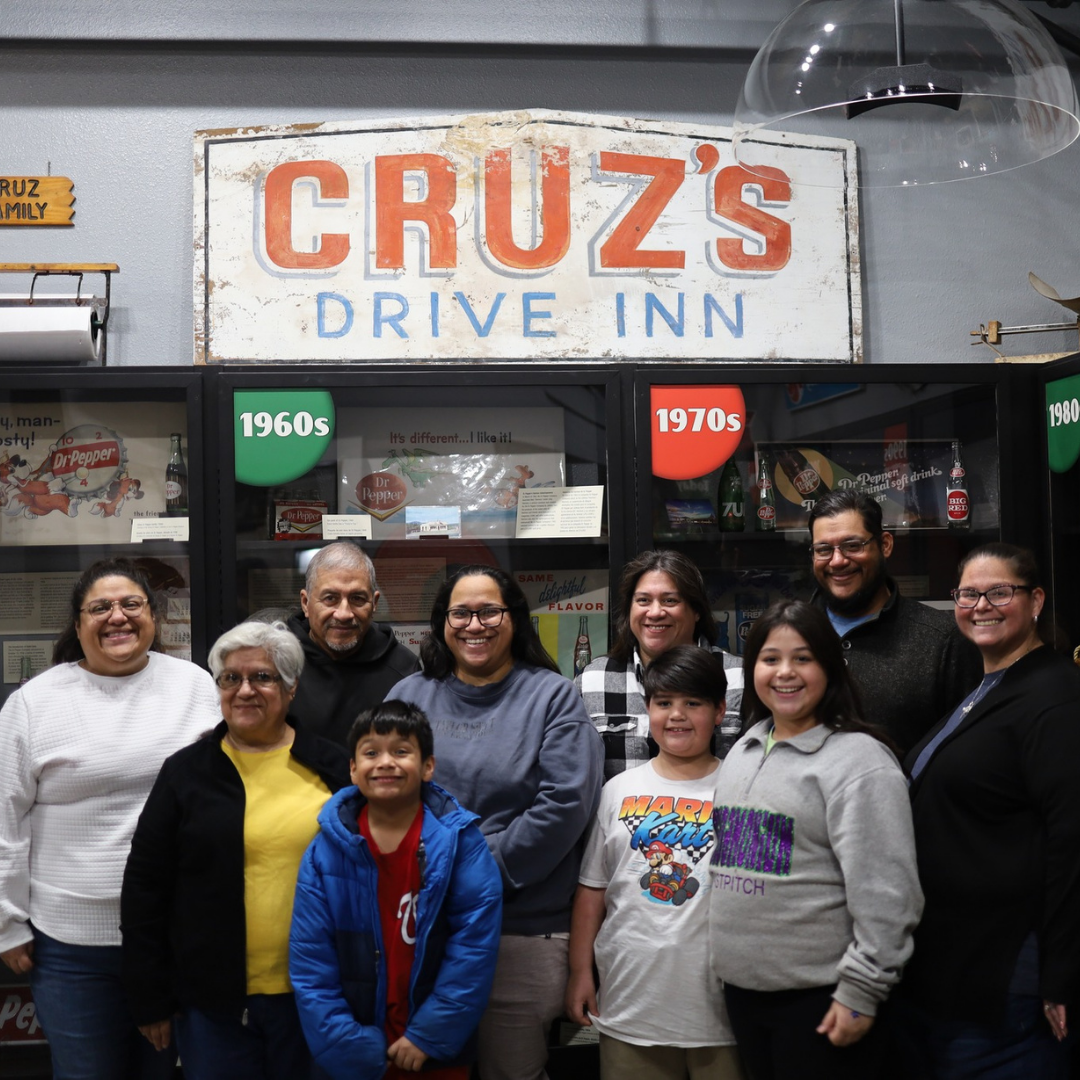
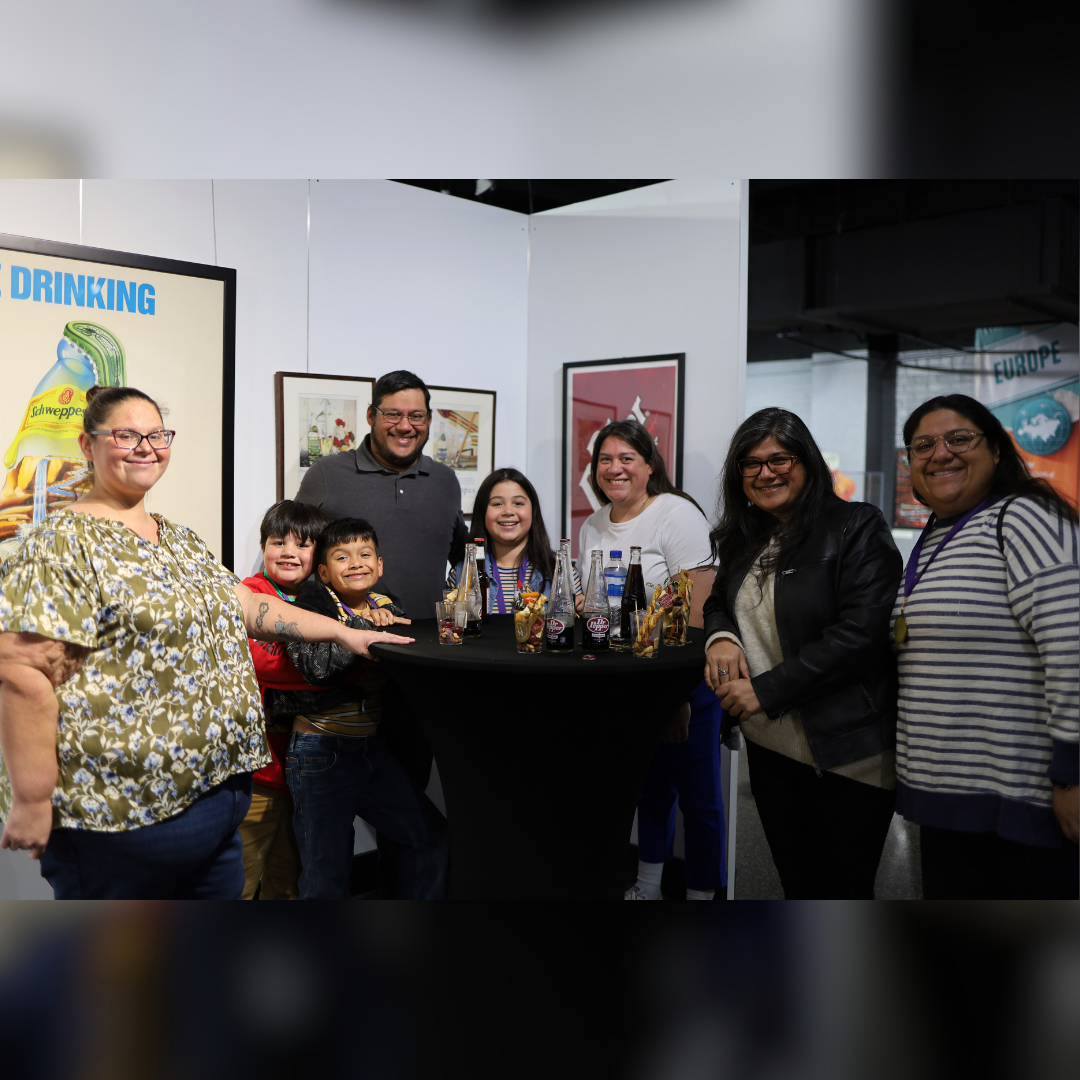
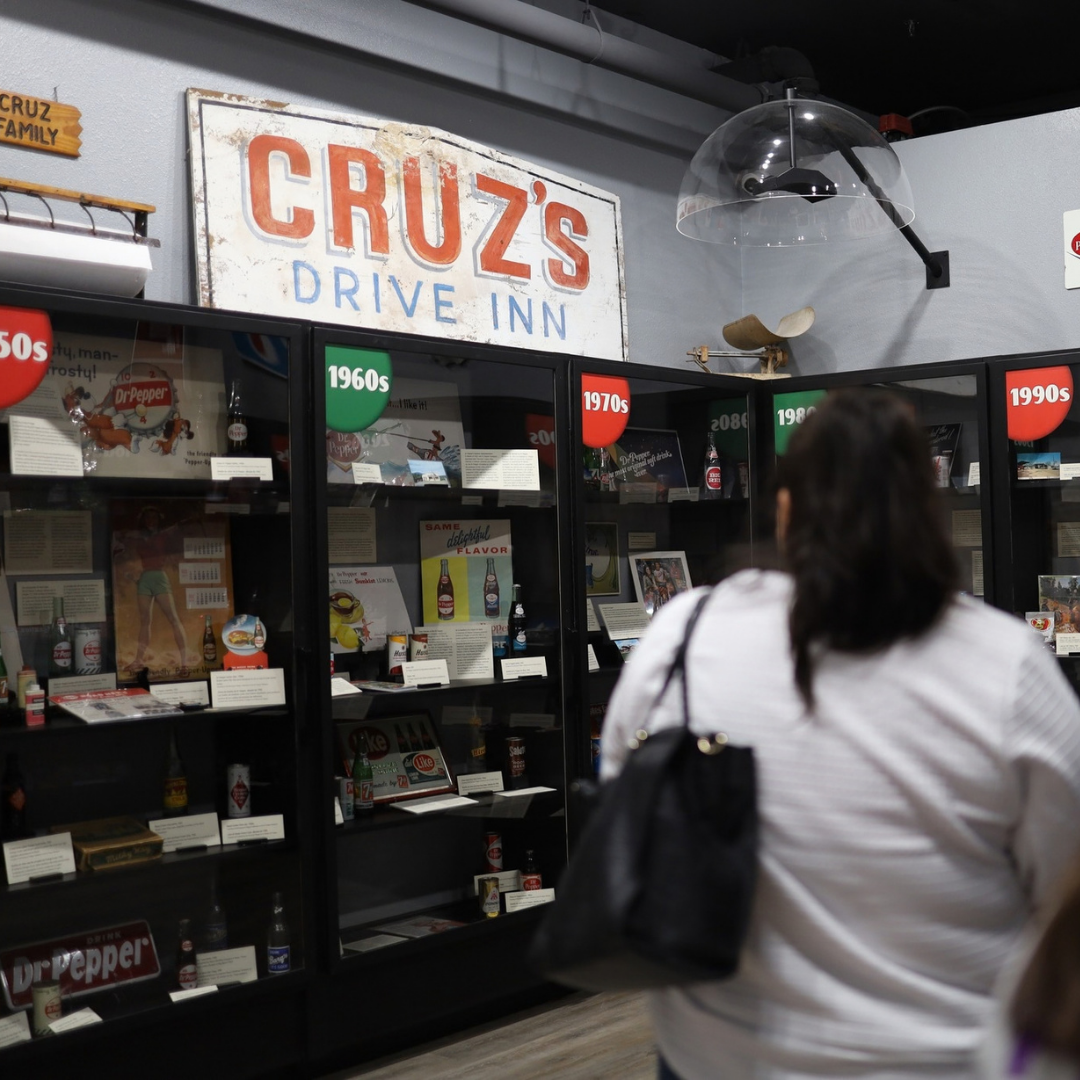
Q4: What does it mean to you to see your family’s signs preserved and displayed at the Dr Pepper Museum?
Sylvia: “My sister recently took my nephew to the Dr Pepper Museum. He wanted to participate in the Make-A-Soda experience, but they also viewed the exhibits. He knows the sign is there and was very excited that he could point it out to the family friends who accompanied them. He was five when the store closed, but to him it was never about Cruz’s Drive Inn, he always called it Grandma’s kitchen. That’s where his grandma, my mother, always had food on the stove and was ready for the family to show up for dinner. My grandpa did the same thing. While I was attending Baylor, between classes I would drive over for lunch and there would always be something on the stove, or he would make it when I arrived. The aromas always enticed the customers to ask Mr. or Ms. Cruz “what’s cookin’” and ask if they could stay for dinner. Seeing the sign reminds us that Cruz’s was more than a store. It was about family, and community, and love. The store began with the loss of a love but continued because of the love for the community it served.”
Q5: Why do you think it’s important for communities to preserve stories like your family’s?
Sylvia: “I work in an archive, and I ask myself this question often. Preserving stories like ours is important because we get to see a fuller picture of what life is really like. There is more in the world that we don’t experience and by keeping the stories we may get to go back and see some of them. But more importantly, we must also share stories. Preservation becomes hoarding if others are not allowed to experience what has been left behind. Being intentional about sharing any story allows others to better understand what goes on outside of their own orbit.”
Thank you to Sylvia for sharing more about her family’s history and the story of Cruz’s Drive Inn with us. Museums and libraries play an important role in preserving and sharing the stories that help us better understand the people, places, and communities that came before us. If you’d like to learn more about the Cruz’s Drive Inn and its critical role in the Waco community, make sure to stop by and visit the Wilton’s Landing exhibit.
Be part of preserving local history. Your support today helps ensure these stories inspire future generations. Click here if you’d like to learn more about how you can help preserve local history